US Anthropic AI Ban Roils Global AI Industry and G7 Summit

June 17, 2026
Alex - aiToggler Team
Reviewed by a two-legged human.
It’s not every day that a single government order rattles the global AI scene this much. But that’s pretty much what happened after the US suddenly restricted foreign access to Anthropic’s top AI models - including access for the company’s own international staff. The decision, announced right as the G7 and VivaTech events kicked off in France, instantly became the main AI story of the week. People across the industry are now debating sovereignty, how talent moves, and what this means for international cooperation in tech.
What happened: a ban with global consequences
According to the Wall Street Journal, the Trump administration’s order blocks all foreign nationals from using Anthropic’s Mythos 5 and Fable 5 models. The move reportedly responds to ongoing warnings - sometimes from Anthropic itself - about the risks of advanced AI. In a twist, Anthropic’s own messaging about AI dangers may have played a part in the restrictions now causing headaches for its business and research.
This isn’t just a problem for Anthropic. AI research has always been international, and overnight, the US has effectively made Anthropic’s best models a US-only resource. Even some of Anthropic’s international employees reportedly can’t access the models anymore, which is disrupting their internal work.
G7, Europe, and the AI sovereignty panic
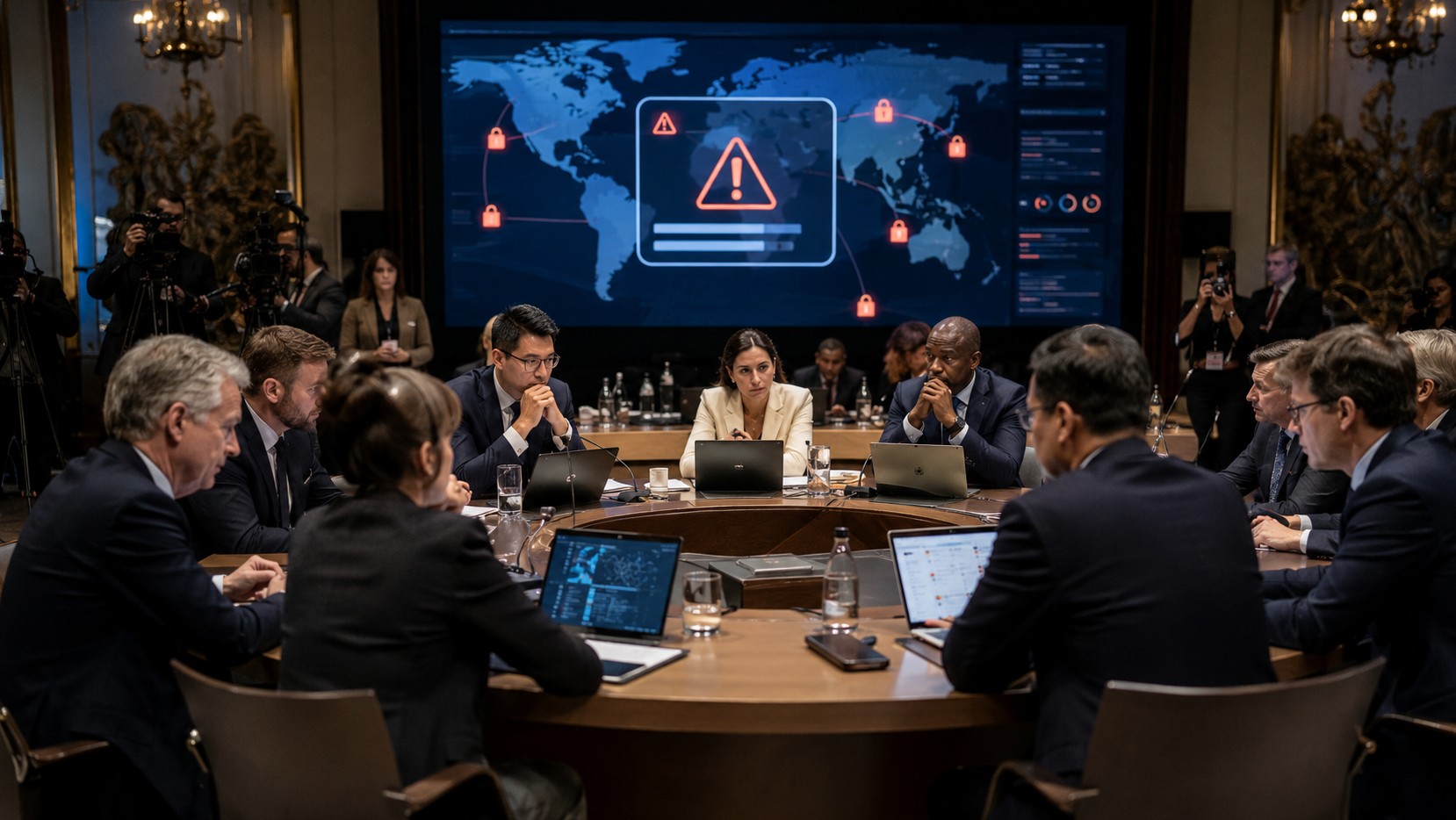
The timing here is hard to ignore. As Reuters points out, European policymakers and tech leaders are arriving at the G7 and VivaTech conferences already uneasy about the US controlling so much of the AI world. Now, these new restrictions are at the top of the agenda. European leaders have been pretty open about their fears that they’re subject to US government decisions, worrying that “political whims could derail its race to build domestic AI champions.”
And this goes way beyond Anthropic. European and Asian startups, who were already behind US tech companies, now see access to the most advanced models becoming even more uncertain. There’s more talk in Europe about building their own AI and depending less on American tools, but most people doubt Europe can match US model capabilities anytime soon.
Talent wars and international collaboration under threat
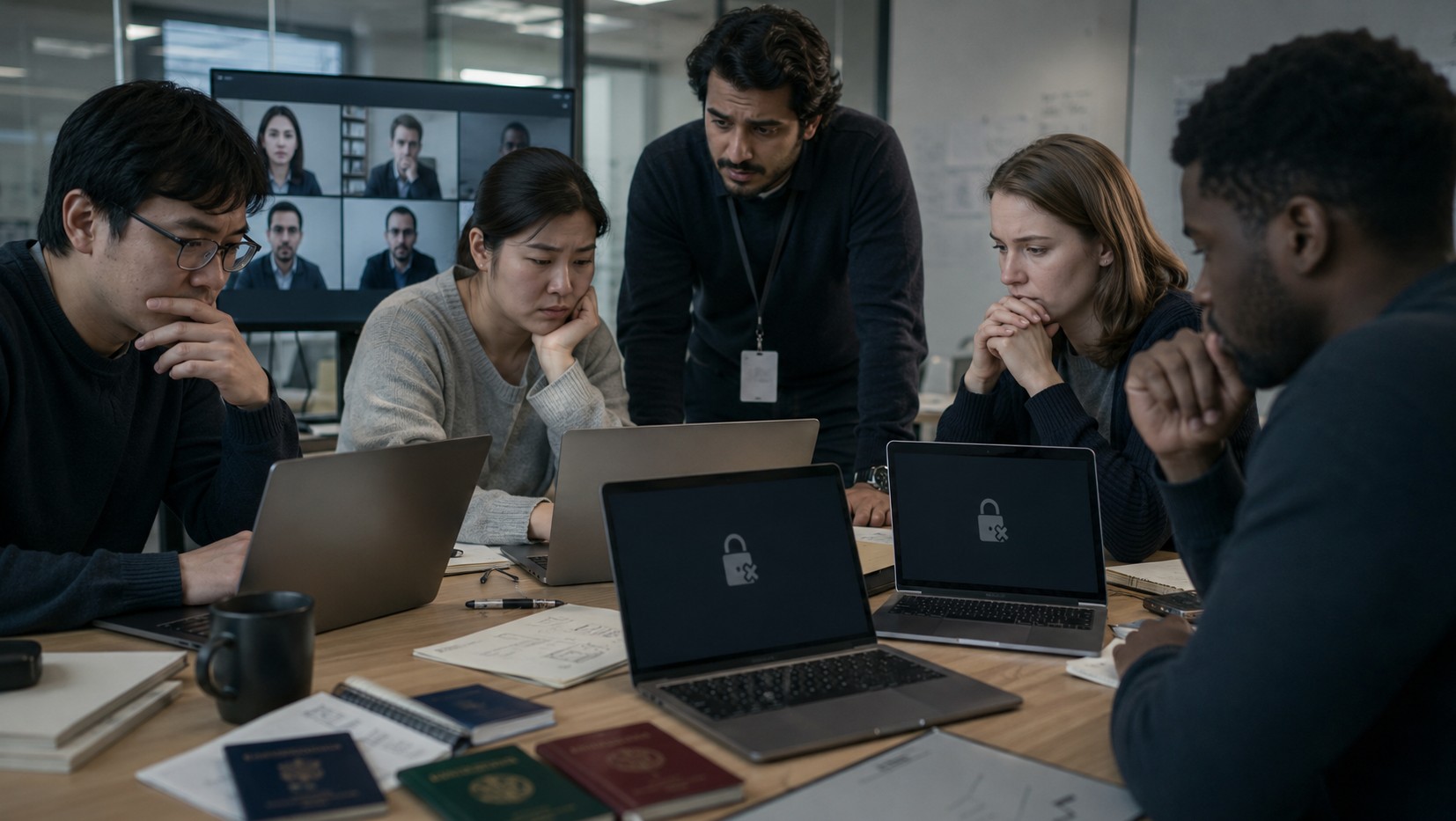
This isn’t only about who gets to use certain models. It’s also about who gets to help invent the future of AI. According to The Information, the ban has already made people at OpenAI and across the industry nervous. Many worry this could be just the first in a series of moves to limit foreign AI talent in the US. If AI companies can’t recruit and keep the best people from around the world, US leadership in AI might end up weakened by its own rules.
International teams and open collaboration have always been crucial to AI progress. This order suggests governments may now start pulling their talent, data, and infrastructure back inside national borders. The effects on research, safety, and business opportunities aren’t fully clear yet, but they could be significant.
What’s next? Uncertainty at the top of the AI stack
G7 leaders are reportedly trying to work out a “trusted partners” system that would let certain allied governments and companies use these restricted US models, especially for things like cybersecurity. Reuters notes that this is still just talk for now.
Meanwhile, both tech companies and researchers are left guessing. Could other big US AI companies face similar restrictions? Will talented people from outside the US rethink where they want to work? And will Europe’s new focus on AI independence lead to real competition, or just more fragmentation and slower progress?
It’s hard to say what comes next. But it does seem like the era of borderless, open AI development is fading quickly. AI is becoming a strategic resource, and governments are ready to make tough moves.
If you want to keep up with the messy world of AI geopolitics, follow us for new updates and analysis. I’m curious what you make of all this: Is this the start of a new AI cold war, or just another twist in a very unpredictable journey?