SpaceX and Reflection AI Strike Massive Compute Deal, Shaking Up the AI Landscape

June 22, 2026
Alex - aiToggler Team
Reviewed by a two-legged human.
If you've been following the AI world, you know the real bottleneck isn't just clever algorithms. It's the raw, expensive hardware under the hood. Today, that reality took a surprising turn: open-source AI startup Reflection has reportedly signed a multibillion-dollar compute deal with SpaceX, Elon Musk's space and infrastructure company. This isn't your usual cloud contract. It could change who gets to train and deploy the next generation of powerful AI models.
The deal: billions in compute fuel open-source AI ambitions
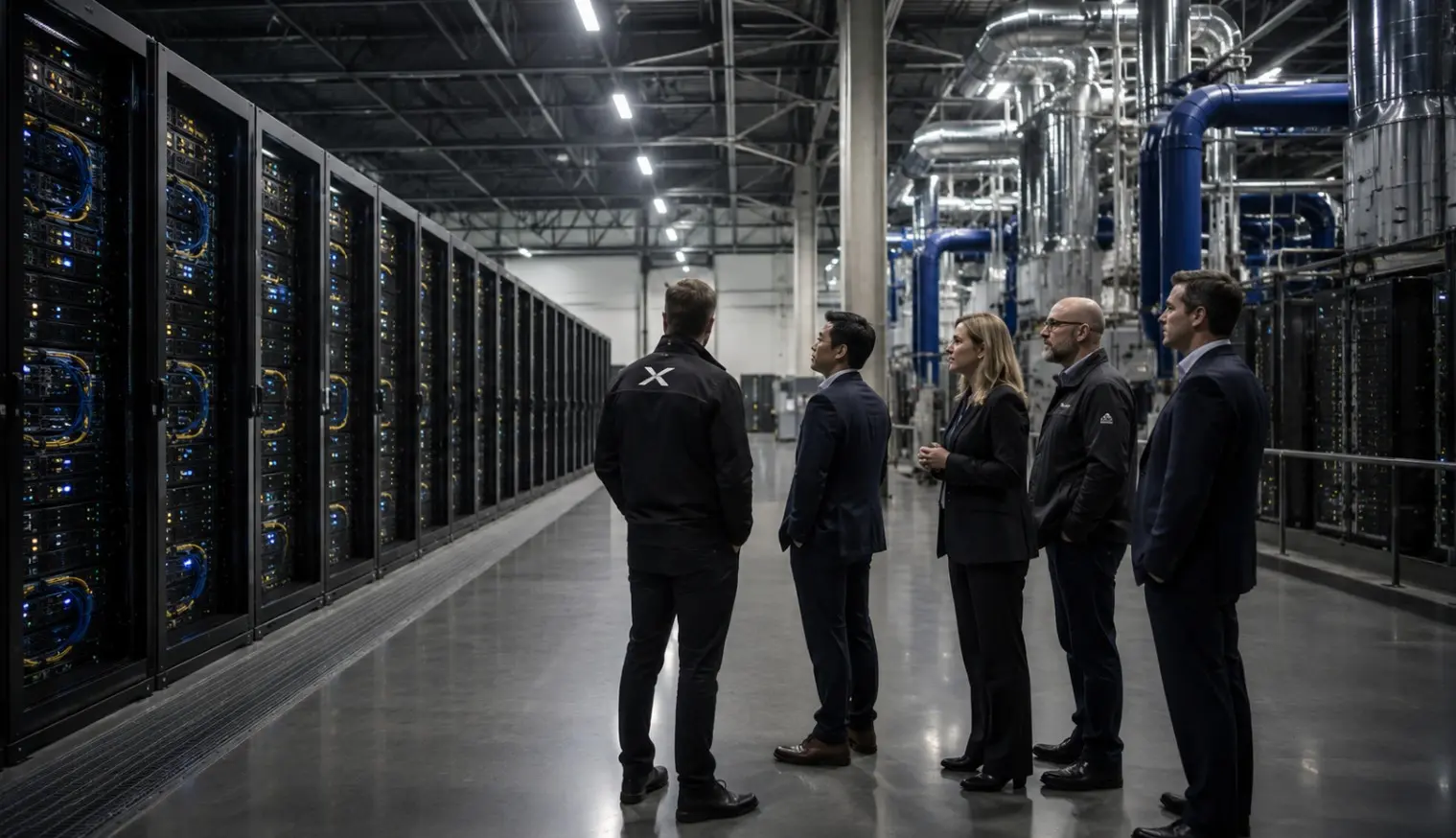
According to TechCrunch, Reflection AI has agreed to pay $150 million per month starting July 1, 2026, for access to Nvidia's top-tier GB300 AI hardware inside SpaceX's Colossus 2 data center. The deal reportedly runs through 2029 and could reach $6.3 billion if it goes the distance, though either side can exit with 90 days' notice after three months. SpaceX's agreements with Anthropic and Google are even bigger in monthly terms, but Reflection's contract stands out for its open-source mission and the fact that a smaller startup is now sitting at the big table.
Axios describes Reflection as an Nvidia-backed startup aiming to provide an open alternative to the "closed frontier labs" like OpenAI and Anthropic. With U.S. policy moves restricting certain closed models such as Fable and Mythos, open-weight AI models - where the trained parameters are shared publicly - are suddenly drawing renewed attention. The Reflection team includes former Google DeepMind researchers, which adds some credibility and intrigue to the mix.
Why this matters: shifting power in AI infrastructure
This isn't just about buying more chips. It's about who actually gets to participate as AI becomes more resource-intensive. Bloomberg reports that SpaceX is aiming to become a top supplier of compute power to the AI industry. With Reflection now joining Anthropic and Google as major customers, SpaceX is starting to look like a serious alternative to Amazon, Microsoft, and Google for AI infrastructure. That's a big change from just a few years ago.
For Reflection, this deal could mean the ability to train large-scale AI models without the same financial and access barriers that have held back open-source labs. A Reflection spokesperson told Axios, "Recent events highlight how important open source is to the AI ecosystem, with more nations and enterprises recognizing the risks and costs associated with exclusively depending on closed models." It's a pointed reference to recent U.S. government actions and the broader, increasingly global competition around AI.
Open-source vs. closed: what's at stake
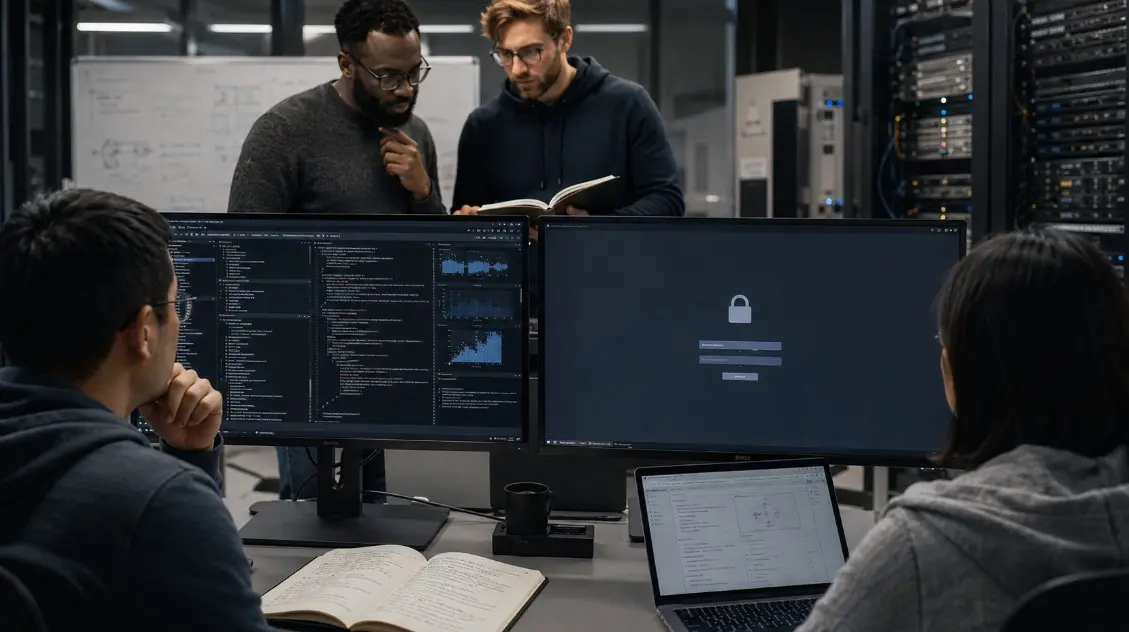
There's more going on than just money or hardware. The debate between open-source and closed models is now front and center. Closed labs have the resources to push boundaries, but their models are often locked away. Open labs like Reflection argue that transparency, auditability, and modifiability matter - not just for innovation, but for building trust and providing options for national governments. This deal gives open-source AI a shot at operating at a scale that was previously out of reach for anyone but the largest players.
There's another twist: many of the strongest open models aren't coming from Silicon Valley anymore. As Axios notes, some of the most impressive open-source models now come from Chinese labs. That raises all sorts of questions about who will control the direction of AI in the next decade.
What's next: infrastructure deals and the future of AI
If you care about where AI is headed, these infrastructure deals are worth paying attention to. SpaceX's emerging role as a supplier of AI compute isn't just a matter of selling server cycles. It's about deciding who can compete in the next wave of AI progress. Will Reflection's open approach result in safer, more accessible AI systems? Will closed labs respond by locking things down even further? It's hard to say, but it's clear that the boundaries between tech, business, and geopolitics are getting even more tangled.
For now, one of the most ambitious open-source AI projects just got a massive boost. Whether that levels the playing field or just raises the stakes remains to be seen.
If you want more stories like this, subscribe or check back for fresh takes on the world's biggest AI news.