SpaceX and Nvidia Fuel the Next Phase of AI Compute Wars

May 12, 2026
Alex - aiToggler Team
Reviewed by a two-legged human.
AI infrastructure just got a serious shakeup. If you thought the competition for AI dominance was already wild, this week's developments might make you question how quickly things are changing. SpaceX is reportedly powering Anthropic's next-generation AI models, and Nvidia is putting billions into optical fiber to keep up with the relentless demand for compute. Here's what's going on and why it's worth paying attention.
The compute wars are heating up
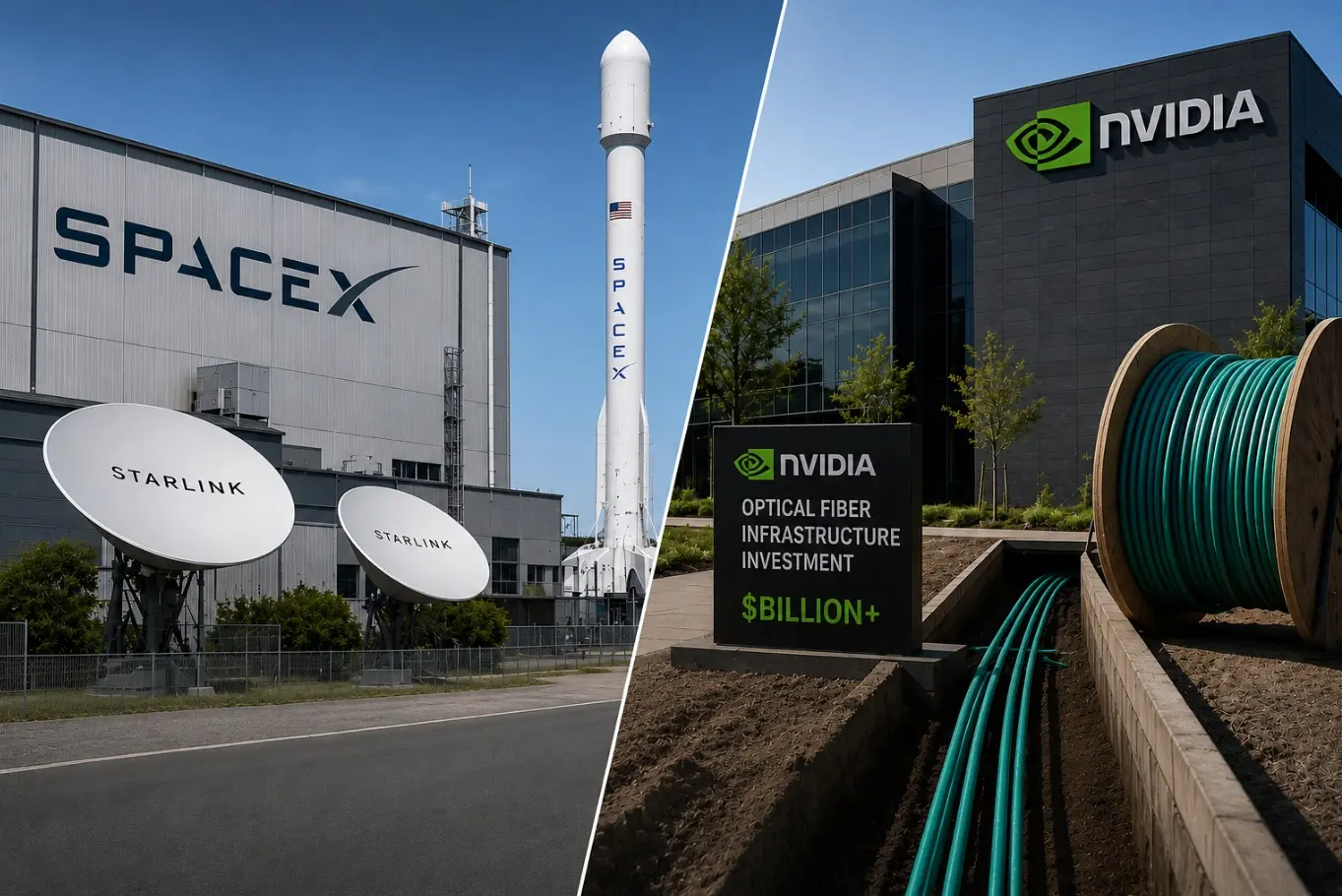
For the last few years, the main thing holding back AI has been compute: the raw horsepower needed to train and run these ever-growing models. Now, according to TechStartups, SpaceX is stepping in to provide Anthropic with the infrastructure for its next wave of AI models. This isn't just about stacking more servers in a warehouse. SpaceX brings its unique strengths in satellite connectivity and data center logistics, which could give Anthropic a real advantage.
Nvidia, meanwhile, is not content to watch from the sidelines. The company is reportedly investing billions in optical fiber networks, aiming to solve the growing need for high-speed, low-latency data transfer between AI supercomputers. This is a sign that the old data center model is starting to buckle under the weight of modern AI workloads. Nvidia's move into optical fiber could change how data moves around the world's most advanced AI clusters.
Why SpaceX and Anthropic are teaming up
Anthropic has built a reputation as one of the most ambitious AI labs, especially when it comes to large language models and safety research. But scaling these models takes more than just cash. It requires a new kind of infrastructure. SpaceX offers two big things: global satellite internet (thanks to Starlink) and a logistics network that can support data centers in places where traditional connectivity or power might be a problem. This partnership could let Anthropic train models in locations that would otherwise be off-limits.
This isn't the first time a company from outside the usual tech suspects has jumped into AI infrastructure, but SpaceX's resources and reach make this partnership stand out. If it works, it might encourage other AI labs to look beyond the big cloud providers for their next infrastructure leap.
Nvidia's fiber investment is about more than speed
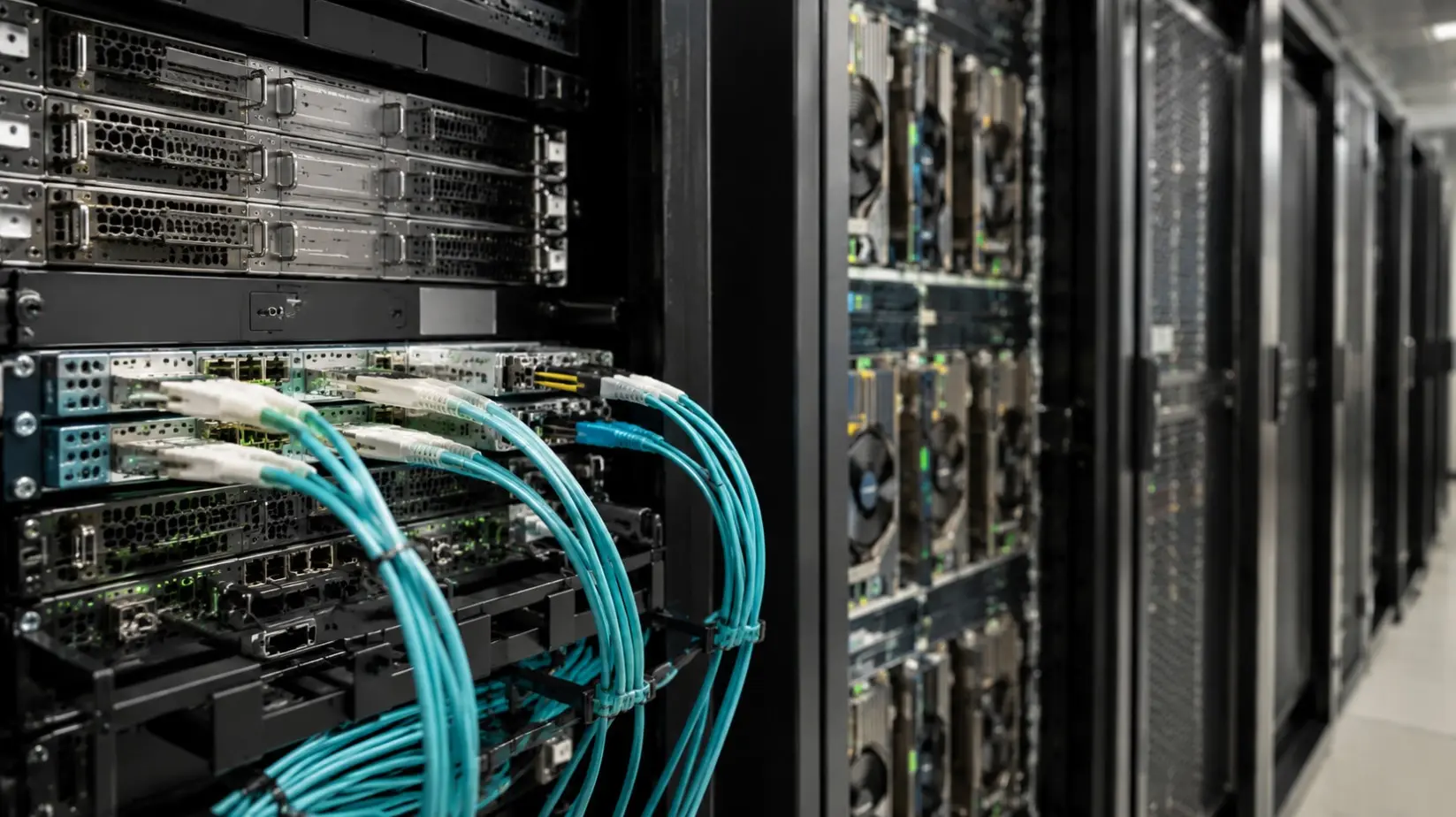
Nvidia's push into optical fiber isn't just about making things faster. As AI models balloon in size, the amount of data that needs to move between chips, servers, and data centers grows at a staggering rate. Old-school copper networking just can't keep up. By building dedicated optical fiber networks, Nvidia is trying to make sure it stays at the center of AI hardware and infrastructure for years to come.
There's another angle here: the lines between chipmakers, cloud providers, and infrastructure companies are starting to blur. Nvidia's move into networking is as much about controlling more of the stack as it is about raw performance. According to recent coverage, this could give Nvidia even more leverage as AI becomes a core part of everything from search engines to robotics.
What this means for the AI world
This could shake up the AI ecosystem in a few ways. First, we'll probably see more exclusive infrastructure deals as AI labs try to secure their own supply of compute. Second, the cost of training cutting-edge models might rise, at least for a while, as the competition for compute ramps up. And third, the big cloud providers (think AWS, Google Cloud, Azure) could face new competition from companies like SpaceX and Nvidia, who are building specialized, high-performance infrastructure.
There's also a real human impact here. According to Ground News, one in five tech layoffs this year have been tied to AI, as companies reorganize to focus on automation and efficiency. While the infrastructure boom might create new jobs, it's a reminder that the AI gold rush has real consequences for workers, not just companies.
Wrapping up
It's easy to get lost in the technical weeds, but here's what sticks with me: the future of AI is going to be shaped as much by who builds the infrastructure as by who writes the algorithms. SpaceX and Nvidia are making big bets that could change who holds the keys to the next era of AI. Whether this leads to more open innovation or just a new set of gatekeepers is still an open question.
If you care about where AI is headed, now's a good time to watch the companies building the foundations, not just the ones showing off the latest demos.
If you want more analysis like this, subscribe for updates and let me know which AI infrastructure stories you're following.