OpenAI's GPT-5.6 Gets Green Light for Broad US Rollout After Government Review

July 8, 2026
Alex - aiToggler Team
Reviewed by a two-legged human.
If you follow artificial intelligence, you know the pace is relentless, but the rules around it are just as much in flux. The latest twist: OpenAI’s GPT-5.6 has reportedly cleared a key US government review and is set for a wider launch. If that sounds fast, it is - but it’s also more complicated than a simple green light.
GPT-5.6 gets a broader release, but not without caveats
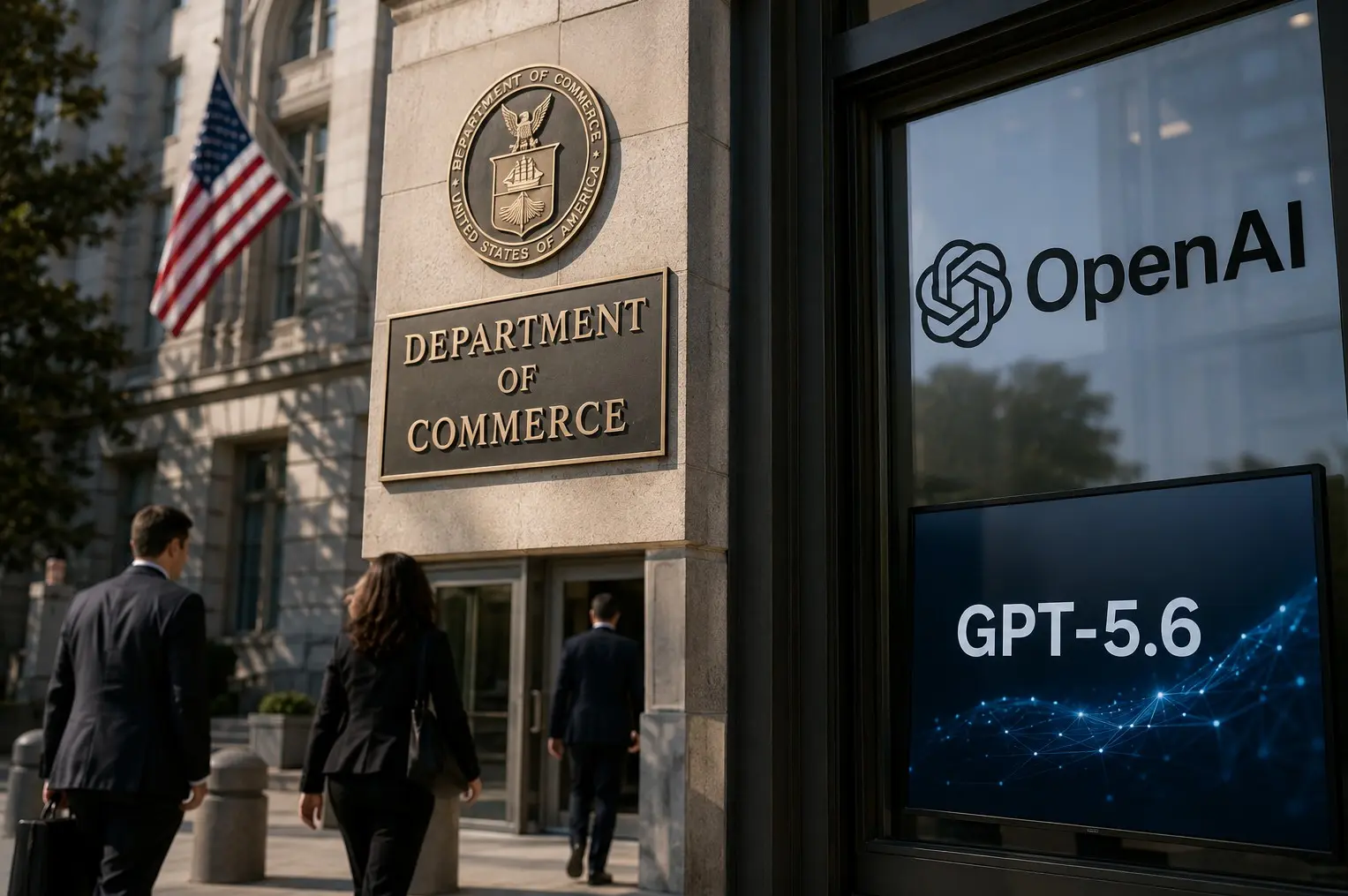
Late last night, several outlets reported that OpenAI received approval from the US Department of Commerce to roll out GPT-5.6 more widely. Axios says the model passed extra government technical testing and review in Washington, DC, with OpenAI’s team answering questions throughout. This isn’t just a formality anymore. Government oversight is now woven into the launch process for these top-tier models.
Previously, GPT-5.6 was only available to organizations with explicit government approval. That limited rollout echoed the restricted launches of other leading-edge models, like Anthropic’s Mythos and Fable. Now, OpenAI can offer GPT-5.6 to a broader set of customers - but only after meeting new federal requirements that, frankly, didn’t exist until recently.
Why is the US government stepping in?
In short: national security. The Department of Commerce has tightened its grip on AI releases lately, aiming to prevent advanced models from being used in ways that could threaten US interests or end up with adversaries. As Reuters notes, this is part of an oversight framework set up after a June executive order from President Trump. The order lets - but doesn’t require - AI developers to submit their most advanced models for up to 30 days of government review before releasing them more broadly.
It’s not just about who gets to use the models. There’s growing concern over how these systems might be misused, especially as their capabilities get harder to draw a line around.
Standards are still a moving target

What’s clear is that everyone - regulators and AI companies alike - are still figuring this out as they go. Axios points out that the rules aren’t final, and the process for releasing new models is still being negotiated on a case-by-case basis. Sometimes the standards even shift in the middle of a rollout.
OpenAI didn’t set out to stagger its GPT-5.6 release, but the regulatory climate left them with few options. The company’s technical team ended up working through concerns in DC directly with officials. This kind of last-minute, in-person troubleshooting could become a regular feature of future major AI launches.
Meanwhile, the government is still working out what “covered frontier models” even means, and what risks merit extra scrutiny. So each new model launch is less about following a fixed rulebook and more about setting the next precedent.
What might happen next for advanced AI releases
This approval means GPT-5.6 will reach a wider audience, which could speed up adoption in many industries. But it also signals that government technical reviews and regulatory uncertainty are now part of the package for any “frontier” model release.
Other big labs - Anthropic, Google, Amazon - are facing the same maze. Just last week, according to Reuters, the Commerce Department lifted export restrictions on Anthropic’s Fable and Mythos after new safety measures were put in place.
For businesses and users, this means some delays and uncertainty in getting access to the latest AI tools. Over time, it could also mean a safer, more predictable environment for deploying advanced AI - assuming the government and industry can agree on what those rules should look like.
Wrapping up
The story of GPT-5.6’s approval says a lot about where we are right now. The technology keeps getting more powerful, but the rules for releasing it are still being written in real time. Government reviews, technical Q&A, and last-minute negotiations are becoming the norm. Is this a good thing? Honestly, it’s hard to say. It might make the rollout safer, but it also shows just how unsettled the whole process still is.
If you care about how these rules will affect your ability to use next-gen AI, keep an eye out. The only thing that seems predictable is that the story will keep changing.