How AI Is Transforming Consumer Products: From Shampoo to Chocolate Bars

July 6, 2026
Alex - aiToggler Team
Reviewed by a two-legged human.
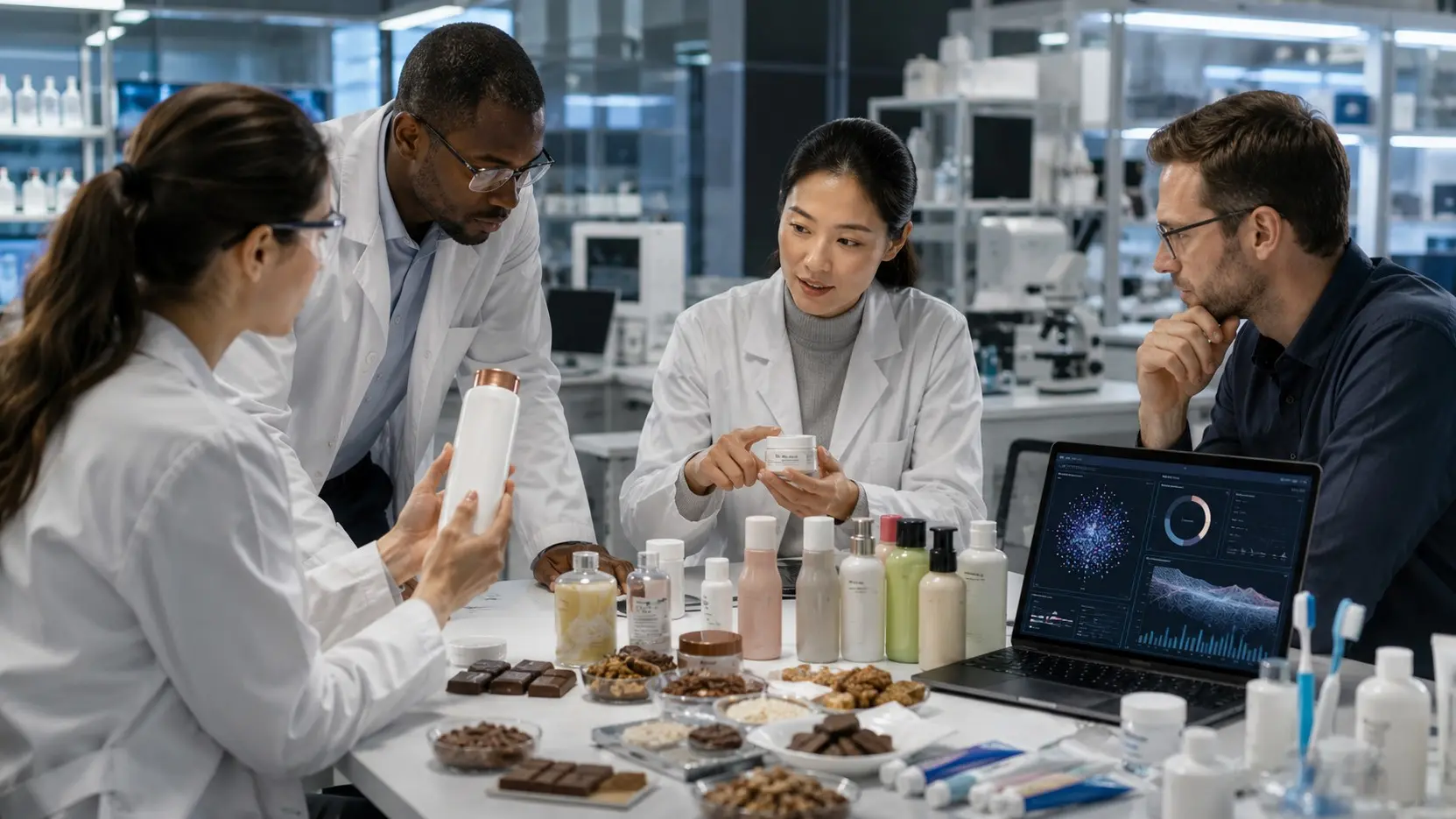
AI isn’t just a Silicon Valley talking point anymore. It’s making its way into the everyday stuff you buy, sometimes in ways you’d never guess. Take a look at the latest Reuters report: companies like L'Oréal, Nestlé, and Mondelez are now using artificial intelligence to speed up how they create new products and tweak old ones. We’re talking about the same shampoo, snacks, and toothpaste you grab at the grocery store, only now the process behind them is changing, and fast. According to Reuters, these companies are hoping AI will help them move quicker, cut costs, and keep up as shoppers’ preferences shift.
AI: the new secret ingredient
Most of us hear “AI” and picture robots or chatbots, not shampoo or cookies. But some of the biggest names in consumer products are now using AI behind the scenes. L'Oréal says it’s using AI to spot molecules in skincare formulas that could also work in shampoo. The company claims this approach lets them develop new products up to four times faster than before. That’s a big change from the usual pace of product development, which can drag on for months or years. As L'Oréal’s CEO Nicolas Hieronimus told Reuters, the tech is “accelerating things you could do already, but compressing the time from months to weeks or years to months.” It’s not just about speed - the company also suggests AI can help uncover combinations that a human might not think to try.
Chocolate, toothpaste, and beyond
AI isn’t limited to beauty brands. Food and health companies are reportedly experimenting with it too. Mondelez, the maker of Cadbury and Toblerone, is using AI to help generate recipe ideas and test them faster. It’s a similar story at Haleon (which makes Sensodyne toothpaste) and Nestlé (behind Nescafé and KitKat). According to Reuters, these companies are testing ingredients and analyzing supply chains with help from AI, aiming to react more quickly when disruptions hit. It’s not about cutting humans out of the process, but about giving product teams new tools so they can try more things, faster. The human touch is still there - AI just gives them a head start.
The business motive: survival and innovation
The timing of this AI push probably isn’t a coincidence. Many of these companies have seen sluggish growth, and there’s real pressure to come up with something new consumers will actually buy. L'Oréal, for example, launched what it called a “beauty stimulus plan” after seeing its slowest sales growth in years. AI, at least as described by these firms, looks like a way to shake things up: they can test more ideas in less time and at a lower cost. According to the Reuters article, what once took years in a lab can now sometimes be done in a matter of months or even weeks with AI modeling and simulations. The promise? More chances to get creative, with less risk of wasting time and money.
What does this mean for shoppers?
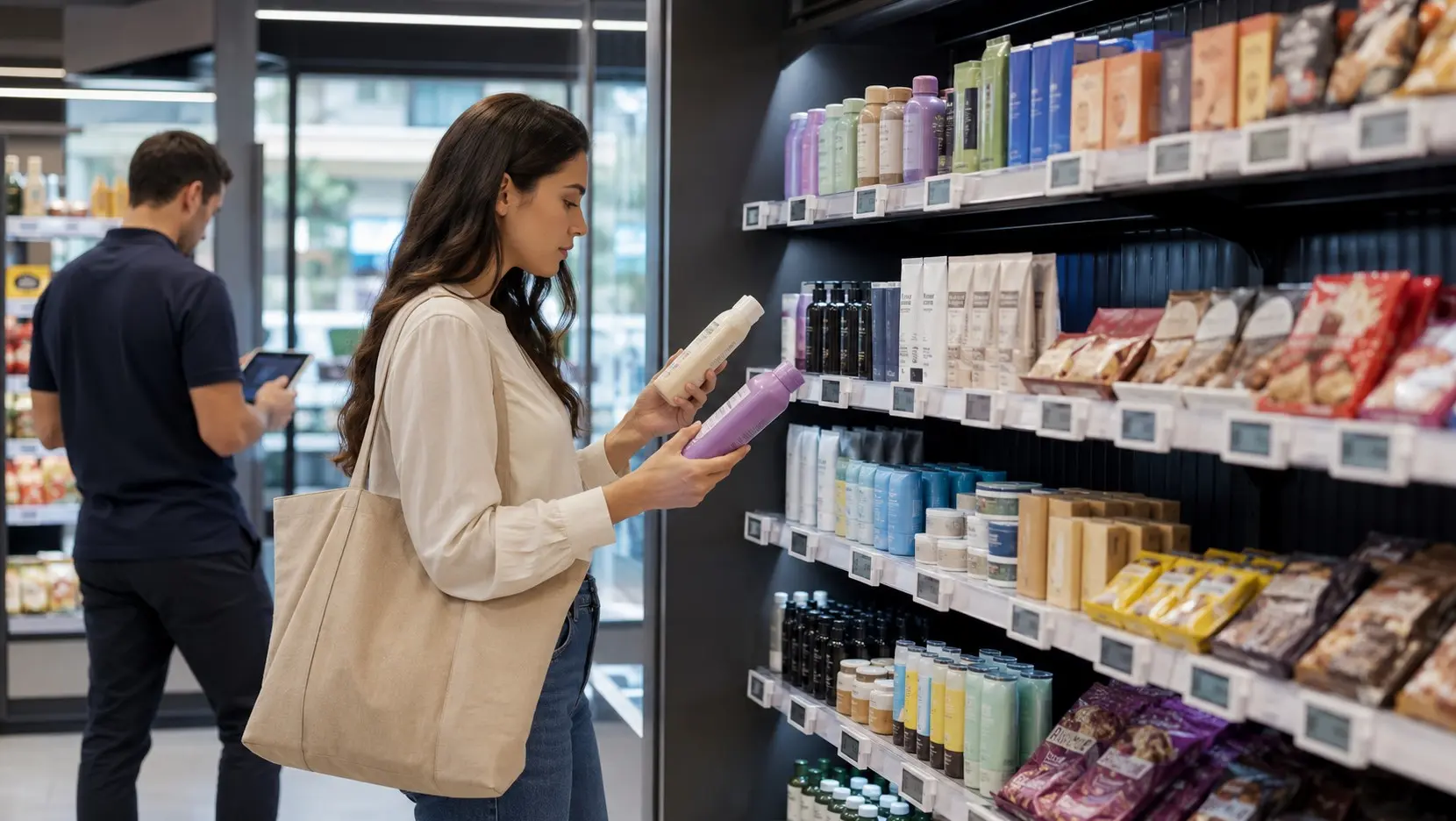
If you’re a shopper, you might notice more new products hitting shelves or see items more tailored to specific needs. Maybe you’ll find a shampoo that actually works for your exact hair type, or a chocolate bar with a flavor you never would have expected. But I have to wonder: will people care if their toothpaste was “co-created” by an algorithm? Will brands be open about how these new products are made, and does that even matter to most of us? Personally, I’m curious but a little skeptical. Faster product cycles sound great, but there’s always the risk that speed comes at the expense of quality or transparency. Still, it’s clear that companies are betting big on AI to keep up with changing tastes - and hoping we’ll go along for the ride.
If you’re following the bigger picture, AI hype isn’t just a consumer goods story. Tech and AI stocks are still driving the global markets, although some analysts are already warning about possible corrections as the excitement around AI continues.
Final thoughts
Honestly, I’m still wrapping my head around the idea that AI might have had a hand in my next snack or toothpaste. It’s impressive, a bit weird, and probably inevitable. Whether this leads to better stuff on shelves or just more of the same, I’ll be paying more attention next time I’m shopping - and maybe asking myself who (or what) dreamed up that new chocolate bar.