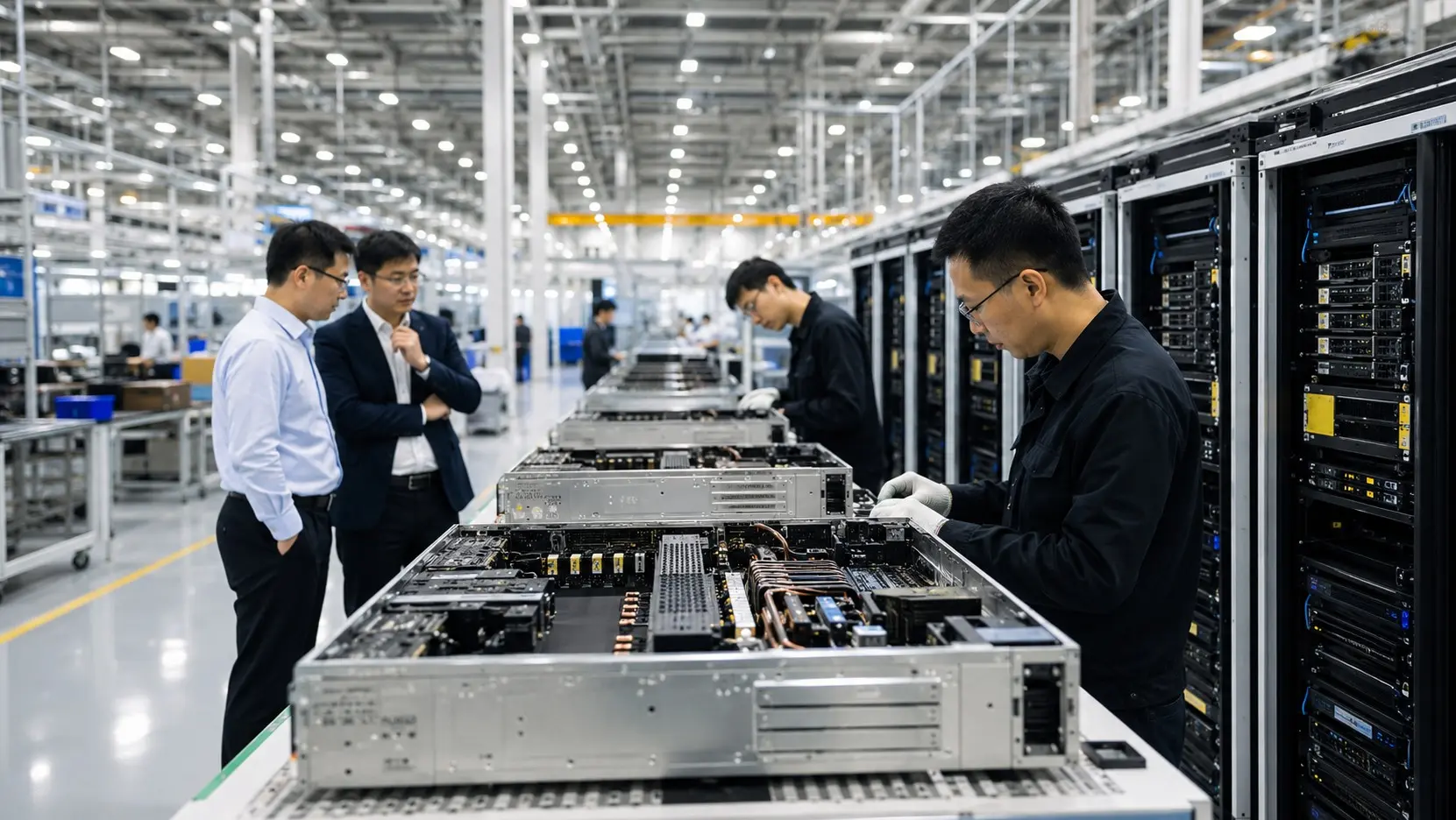
Foxconn’s 40% Revenue Surge: AI Server Demand Powers New Tech Boom

July 5, 2026
Alex - aiToggler Team
Reviewed by a two-legged human.
It’s not every day that a quarterly report gives you a window into how fast an industry can shift. But that’s what Foxconn’s latest numbers feel like. If you have even a passing interest in artificial intelligence - and the machinery that makes it all run - Foxconn’s second quarter earnings are worth a closer look. Here’s why their results offer a real glimpse into where AI hardware is headed in 2026.
AI server demand drives Foxconn’s revenue jump
Foxconn, officially Hon Hai Precision, reported a huge 39.8% increase in second-quarter revenue compared to last year. That comes out to T$2.513 trillion (about $78.7 billion). The company pointed to "strong AI-related demand," especially the global push for building and deploying AI servers. Nvidia’s chips are reportedly at the heart of most major deployments right now. According to Reuters, Foxconn isn’t just the world’s largest contract electronics manufacturer - it’s also Nvidia’s main server builder.
The speed of this growth is pretty remarkable. Over the past year, cloud giants and big enterprises have been racing to get their hands on the latest AI hardware. This rush is now showing up in real revenue - not just for chip designers like Nvidia, but for the companies that assemble the servers powering large-scale AI.
Why AI servers matter more than ever
A couple of years back, "AI demand" mostly meant big players buying GPUs to train huge models. These days, the appetite for AI computing has spread. Hyperscalers like Amazon, Google, and Microsoft, plus fast-moving startups and even more traditional companies, all want in. Everything from chatbots to video generation to live translation now needs specialized servers packed with advanced chips.
Foxconn’s size and close relationships with chipmakers put it in a good spot to benefit. The fact that its revenue beat analyst expectations by such a wide margin suggests the market underestimated how important AI hardware demand would be. While it’s too soon to call this a permanent new normal, it does look like a major shift in what the big tech players are buying and why.
Who benefits from the AI hardware boom - and who gets squeezed?
Foxconn’s strong quarter is good news for its bottom line, but it highlights just how much Nvidia’s position matters right now. As demand for Nvidia’s chips grows, its influence in the AI hardware world only increases. On the other hand, smaller manufacturers and chipmakers who haven’t kept up with AI trends could find themselves sidelined from major infrastructure projects.
This surge is also rippling through the supply chain. As Reuters noted, Foxconn’s performance beat the "SmartEstimate" tracked by LSEG, which puts more weight on the forecasts of analysts with the best track records. Even industry experts were surprised by how much AI demand is driving growth.
What Foxconn’s results suggest about AI’s future
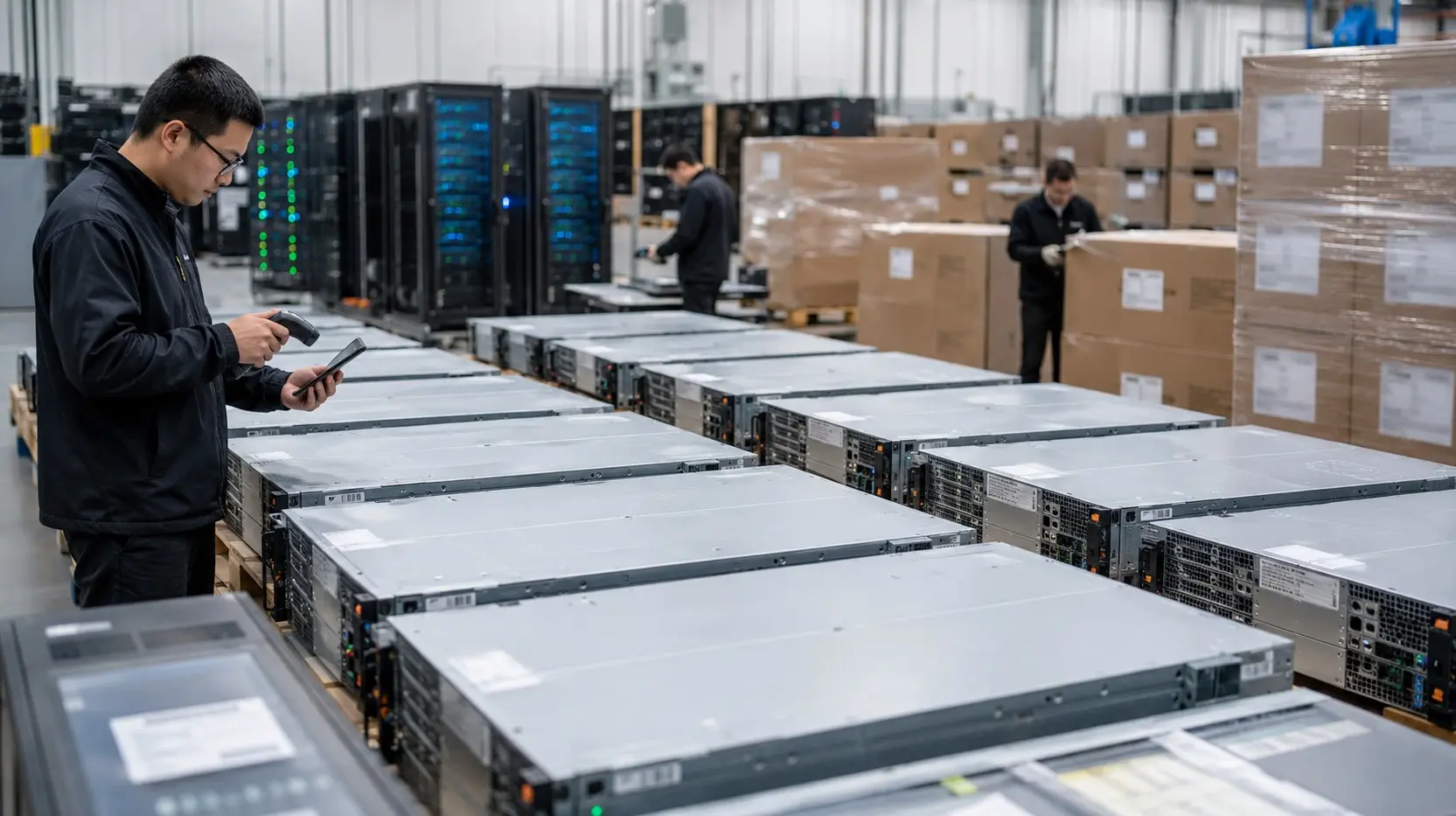
If you ever doubted that AI’s effects run deeper than apps and chatbots, Foxconn’s earnings are a reminder that the story is also about hardware. The real action is in the data centers - the servers and racks that make AI possible. As more sectors experiment with and rely on AI, the companies that can deliver the physical tech behind it all will have a big say in what comes next.
It’s easy to forget: every time there’s a flashy new AI model or device, there’s a huge amount of hardware work behind the scenes. Right now, Foxconn and Nvidia are right in the middle of that engine room.
For a broader look at how AI is affecting business, check out this Reuters story on small business AI adoption or Reuters’ recent coverage of the tech sector’s AI competition.
Final thoughts
Foxconn’s results aren’t just about one company’s financials. They’re one more sign that AI’s hardware era is arriving fast, and the companies able to keep pace with demand for computing power are the ones to watch. If you’re following the AI industry, it’s worth paying attention to who’s building the servers - and the chips powering them.
If you want more takes on how AI is changing the global economy and the tech world, subscribe to our blog. We’ll keep you posted as things develop.