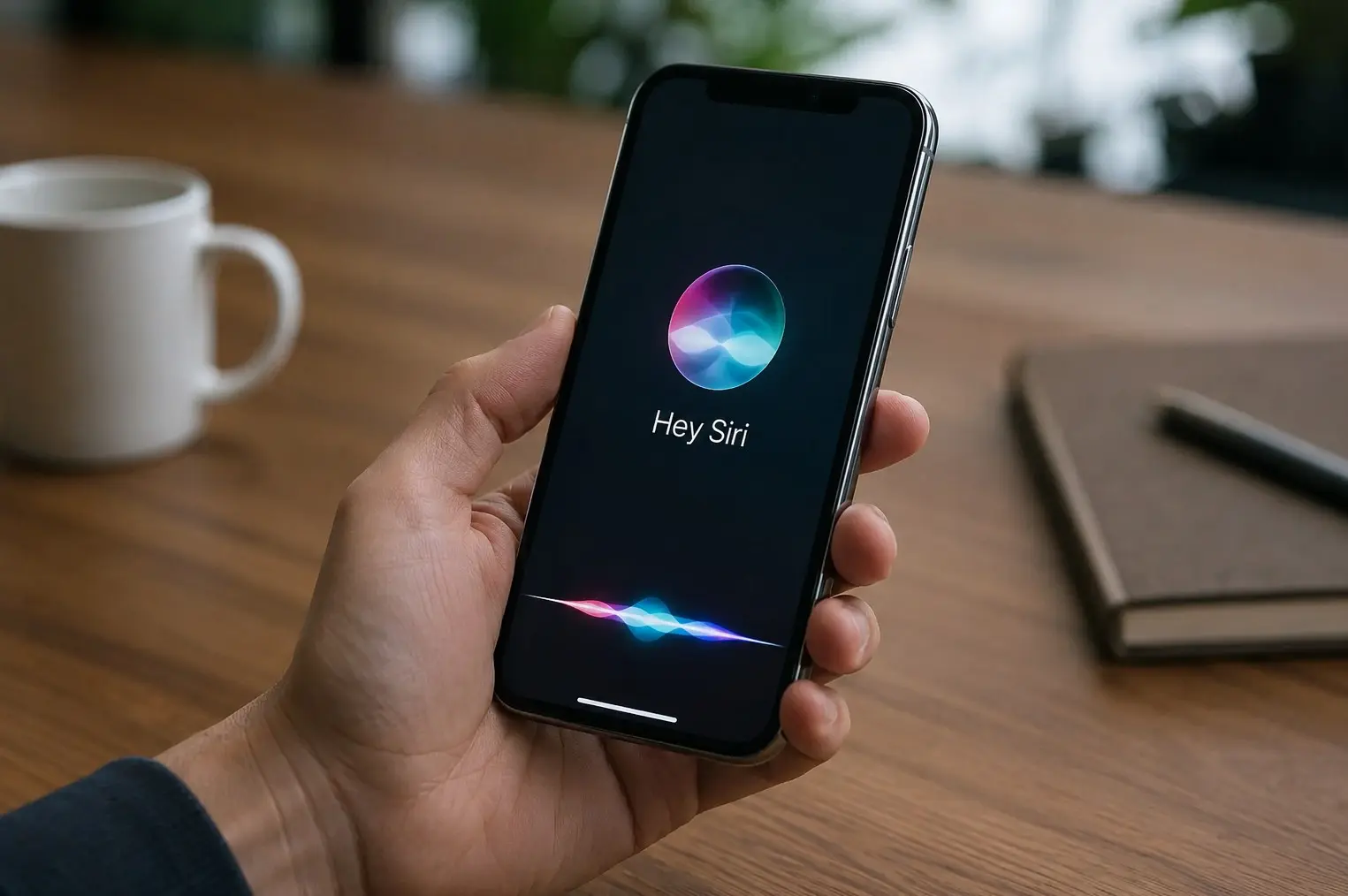
Apple's AI Moment: Will the Siri Overhaul Finally Deliver?

June 8, 2026
Alex - aiToggler Team
Reviewed by a two-legged human.
AI has dominated headlines for a while, but if you own an iPhone, you know one thing: Siri has not kept up. While ChatGPT, Gemini, and others have been busy changing what we expect from virtual assistants, Apple's Siri has mostly stumbled along. That is why today's WWDC conference feels like a genuine make-or-break moment for Apple's AI story, and for a lot of us waiting to see if our devices will finally get smarter and more useful.
After years of stumbles, Siri gets its second chance
According to Reuters, Apple's Worldwide Developers Conference this year is expected to center on a long-promised overhaul of Siri. For two years, Apple has been talking about improvements to its AI assistant. But, as most iPhone users know, Siri has remained frustratingly basic, falling behind the likes of OpenAI's ChatGPT and Google's Gemini.
This time, expectations feel different. Apple is reportedly preparing a new chat mode for Siri, deeper app integration, and a more practical approach to AI, one that is less about splashy demos and more about actually making your phone easier to use day to day. Reuters reports that analysts expect Apple to let developers plug their apps into Siri and possibly choose which AI models (from companies like OpenAI, Anthropic, or Google) power certain features. If that happens, it would be a big shift for Apple, which has historically kept tight control over both hardware and software.
I keep coming back to this idea of a "second chance" for Siri. Apple had a huge head start with voice assistants and then somehow ended up behind everyone else. This WWDC feels like Apple admitting that and trying to reset the whole thing.
Why practical AI matters more than hype
Apple's reported strategy says a lot. Instead of racing to show off the most advanced generative AI (where it appears to be behind), Apple is focusing on features people might actually use. As Reuters notes, the company knows that many U.S. customers are uneasy about AI, and its market research suggests people want AI that is helpful without being creepy, intrusive, or overhyped.
This is a grounded move, especially while the rest of the tech sector is dealing with expensive and sometimes underwhelming AI projects. As Axios points out, the business of AI is running into some tough math: it is costly, infrastructure demand is not infinite, and the payoff has been smaller than some companies hoped. In that context, focusing on small, reliable improvements instead of dramatic demos could be exactly what Apple needs.
Here is what gets me: if Apple sticks to boring-but-useful AI, that might be the thing that finally makes AI feel normal for people who are not tech obsessives. Not magical. Just part of using your phone.
A new era of openness for Apple?
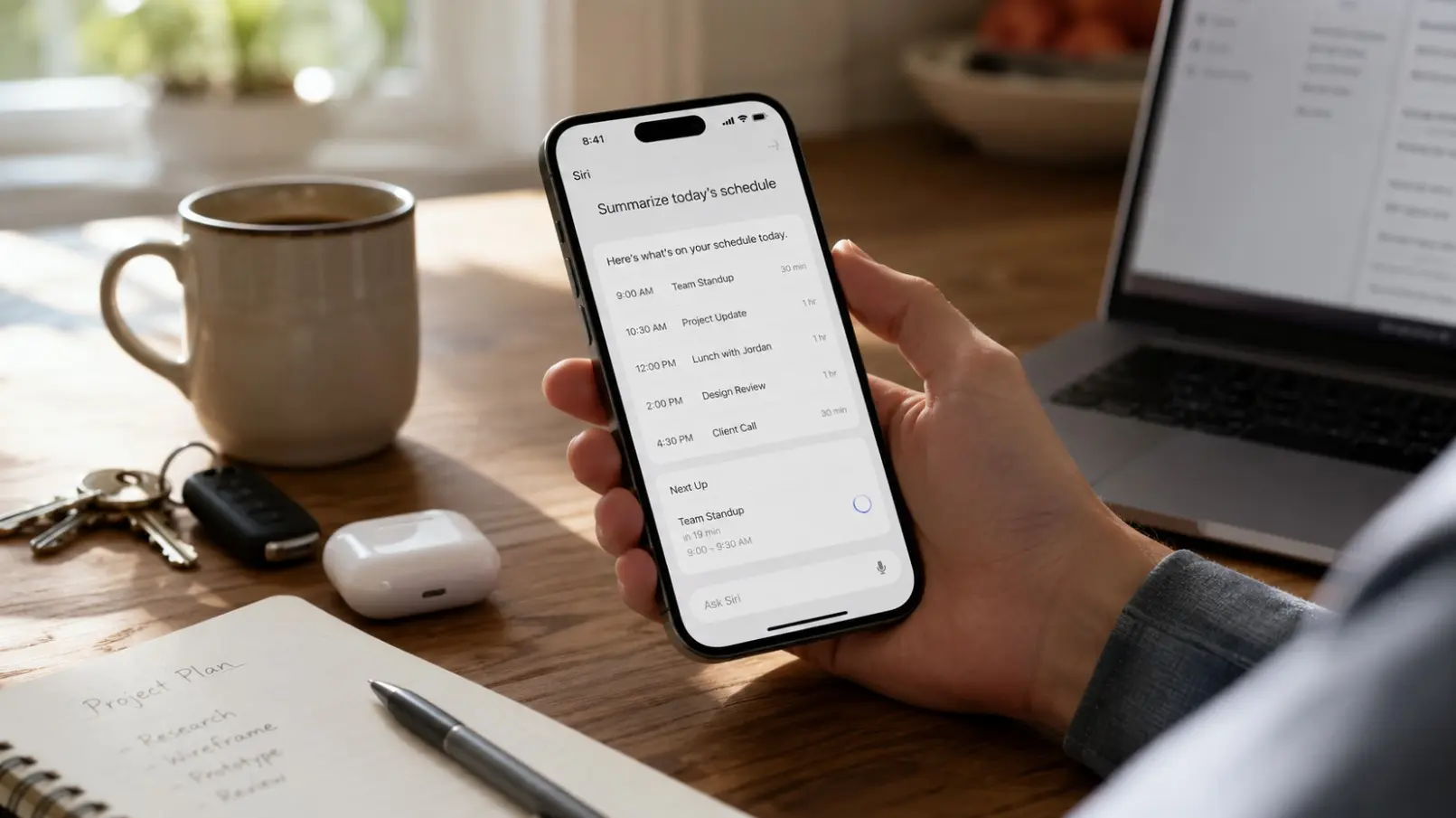
One of the most interesting details from the Reuters report is that Apple may let developers choose among different AI models, including those from OpenAI, Anthropic, and Google, for use in their apps. That would be a real departure from Apple's traditional "walled garden" approach. If it plays out that way, it could make iOS a more flexible platform for AI experiments and features.
Of course, this is still being reported from sources, not confirmed on stage yet, so there is some guesswork here. But the idea of Apple letting outside AI models run inside its carefully managed ecosystem is a big mental shift.
And it is not just about catching up. If Apple's chips and privacy protections make on-device AI fast and more private, the company could end up in a slightly different lane than its rivals. Privacy and seamless integration have always been Apple's main selling points. Giving users and developers some choice in AI features, while keeping data relatively locked down on-device where possible, could give Apple a practical edge as people become more cautious about where their data goes.
I genuinely do not know how to feel about Apple leaning on outside models from companies like OpenAI while also pitching itself as the privacy-first option. That tension is going to be worth watching.
Why this WWDC could set the tone for consumer AI
There is a lot riding on today's announcements. For years, Apple has been criticized for talking a big game about AI while delivering slow, incremental upgrades. Now, with the entire tech industry trying to figure out how to make AI actually useful and profitable, Apple's reported focus on practical, user-centric features feels both overdue and sensible.
If Apple gets this right, Siri could finally turn into the smart assistant people imagined when it first launched, instead of the thing you trigger by accident and then immediately cancel. If the overhaul falls short, though, Apple risks looking even more out of step while rivals like OpenAI and Google keep pushing ahead with more capable assistants.
If you want to dig into how the business of AI is shifting, check out Axios's analysis of the sector's tougher new realities. For a broader look at where AI might be headed, this WSJ piece is worth a read too.
Are you excited or skeptical about Apple's new AI push? I am somewhere in the middle. Curious, but with low patience for empty demos. Let us know what you are hoping to see from Siri this year, and check back after the keynote for a breakdown of what Apple actually ships versus what it has been promising.