AI Chip Mania: How Soaring Demand Is Reshaping - and Risking - the Tech Industry

May 17, 2026
Alex - aiToggler Team
Reviewed by a two-legged human.
The AI world is buzzing, and nowhere is that more obvious than in the chip industry. If you've been following the markets, you've probably noticed the wild ride that memory chip makers are on right now. Today's biggest AI story isn't about a new model or a government regulation. It's about the financial frenzy - and the risks - around the hardware that powers it all.
The AI gold rush and chipmakers' windfall
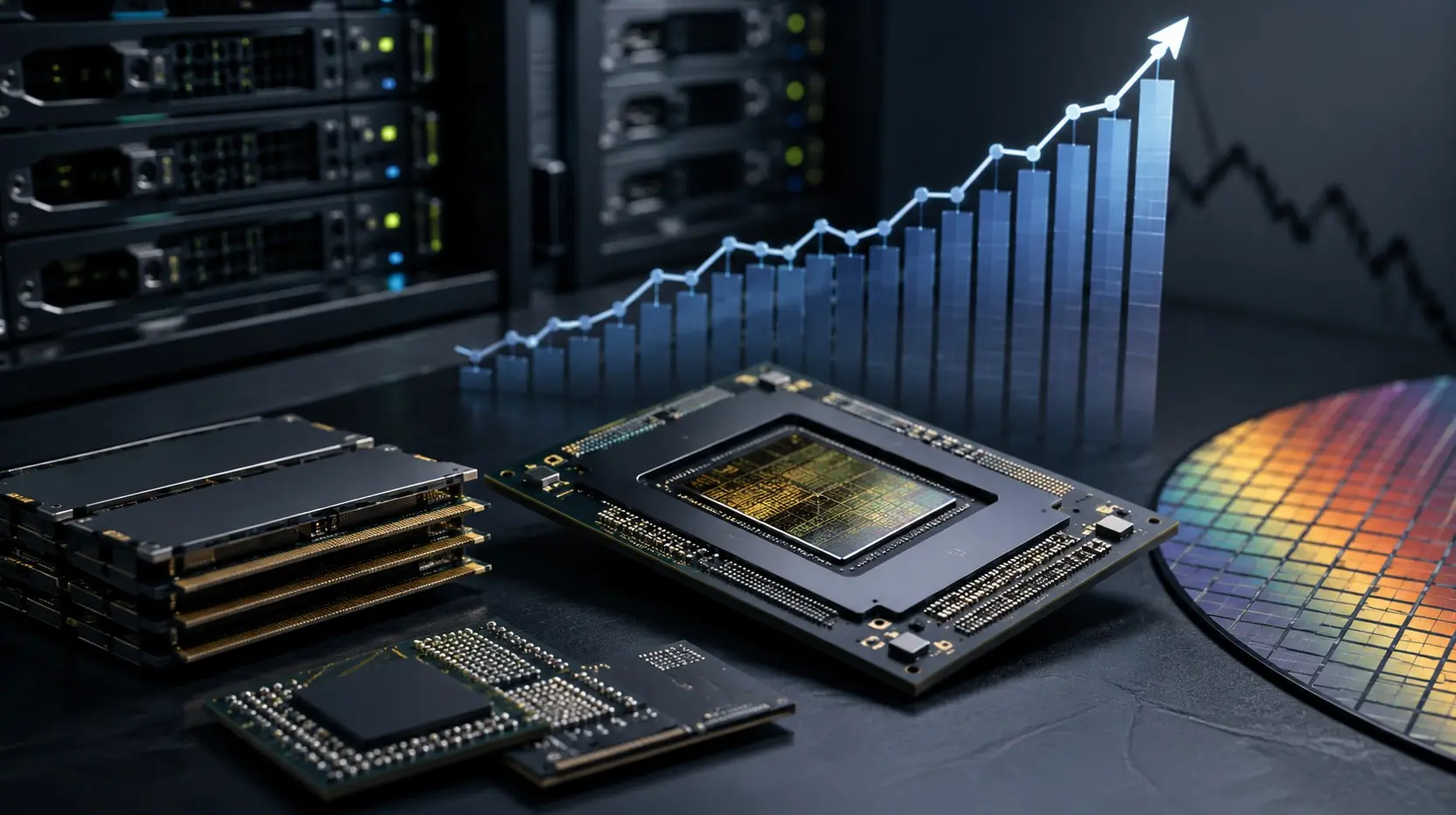
Let's talk numbers. Just three years ago, Micron Technology was reporting its biggest-ever loss. Now, it's forecast to become the sixth-most profitable U.S. stock, with expected earnings just under $100 billion over the next 12 months. That's reportedly more than Meta or even Berkshire Hathaway. The reason? Demand for high-bandwidth memory chips, which are essential for training and running large AI models, has sent prices and profits sharply higher. According to the Wall Street Journal, Micron and its competitors are among the biggest winners in this AI-driven surge.
Micron isn't alone. The whole sector is riding the wave of AI's appetite for computing power. Nvidia and Foxconn are also seeing record results, with Nvidia's rally even helping push the broader stock market to new highs. The AI boom has been a rising tide for hardware makers, and investors are piling in, convinced that "this time is different."
Why this party could end badly
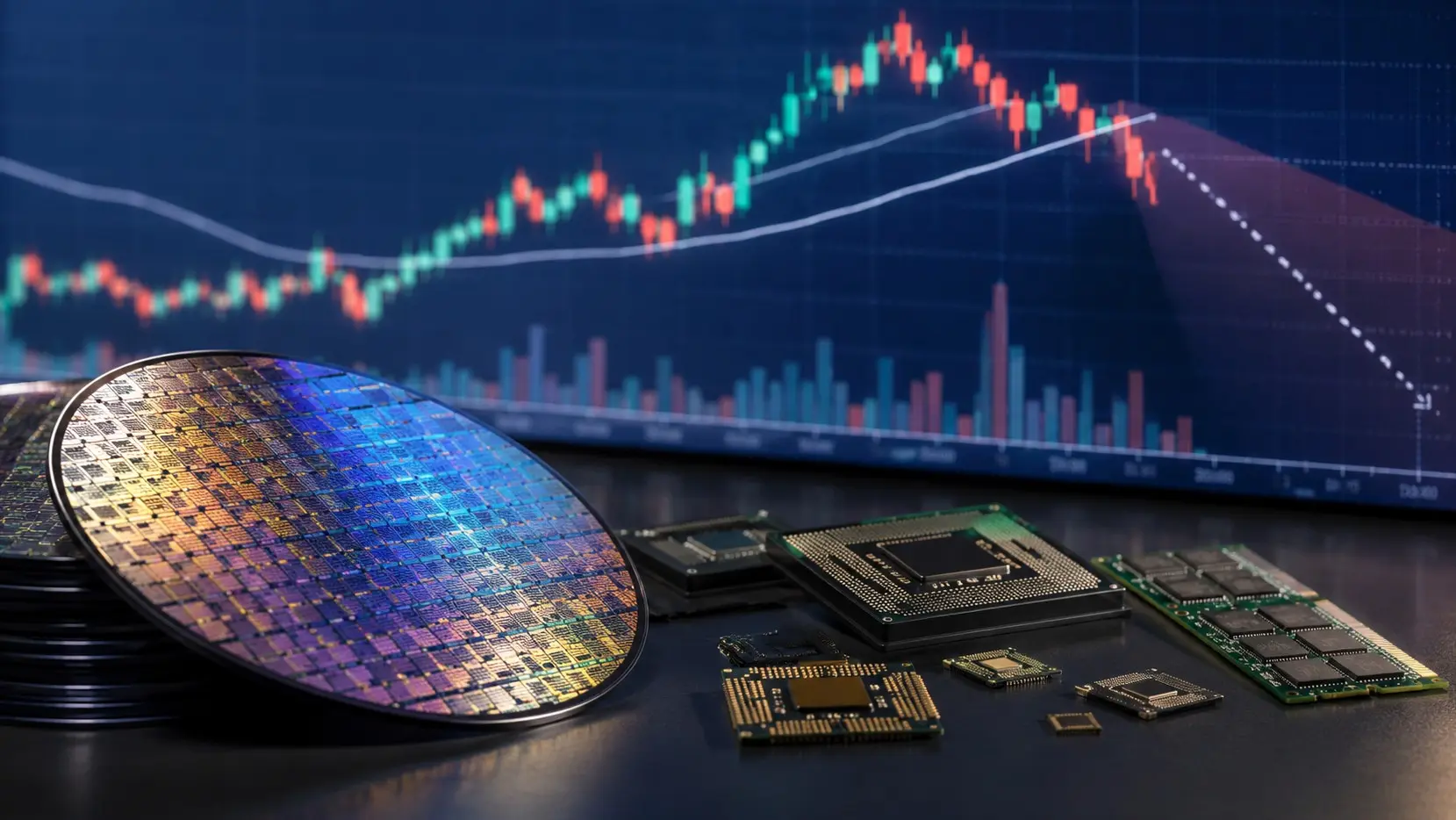
Here's the thing: the chip industry is famously cyclical. Every time there's a new tech wave - PCs, smartphones, and now AI - chipmakers ramp up production, prices spike, and profits soar. But eventually, supply catches up, demand cools, and the market comes back down. The WSJ analysis points out that investors have been burned by this cycle before, and there's no guarantee AI will be any different.
The risk is that today's excitement could set up tomorrow's problems. As more companies try to cash in, overproduction could lead to a glut of chips, sending prices tumbling. And if AI demand ever slows - whether because of regulation, market saturation, or a shift in technology - the fallout could be rough for chipmakers and investors.
Is this cycle really different?
Some people argue that AI is a fundamentally new kind of demand, one that could keep growing for years. AI is being built into everything from search engines to cars to healthcare. But the skeptics have a point: every tech boom feels unique until it doesn't. The memory chip market, especially, has a long history of boom and bust. Even with all the current optimism, the basic economics haven't changed much.
There's also the question of how much of this demand is real and lasting. Are companies over-investing in AI hardware because they're afraid of missing out? Will all these new data centers and chips actually get used, or will some end up as expensive paperweights if the market cools off?
What to watch as the AI chip story unfolds
If you're following the AI industry, here are a few things worth watching:
- Chipmakers' production plans: Are they scaling up too quickly?
- AI adoption rates in non-tech sectors: Is demand spreading or stalling?
- Regulatory moves: Could new rules slow the AI arms race?
- Stock market sentiment: Are there signs of a bubble?
Right now, the AI chip mania is real, and the profits are huge. But history suggests a little caution is wise. As the Wall Street Journal reminds us, investors have been wrong before about "this time is different."
If you want to dig deeper into the financial and tech side of the AI boom, check out more coverage on Nvidia's rally and Foxconn's AI hardware sales from the same WSJ report.
Are you watching the AI chip boom with excitement or skepticism? I'd love to hear your take. I'll be back soon with more grounded looks at the fast-moving world of artificial intelligence.